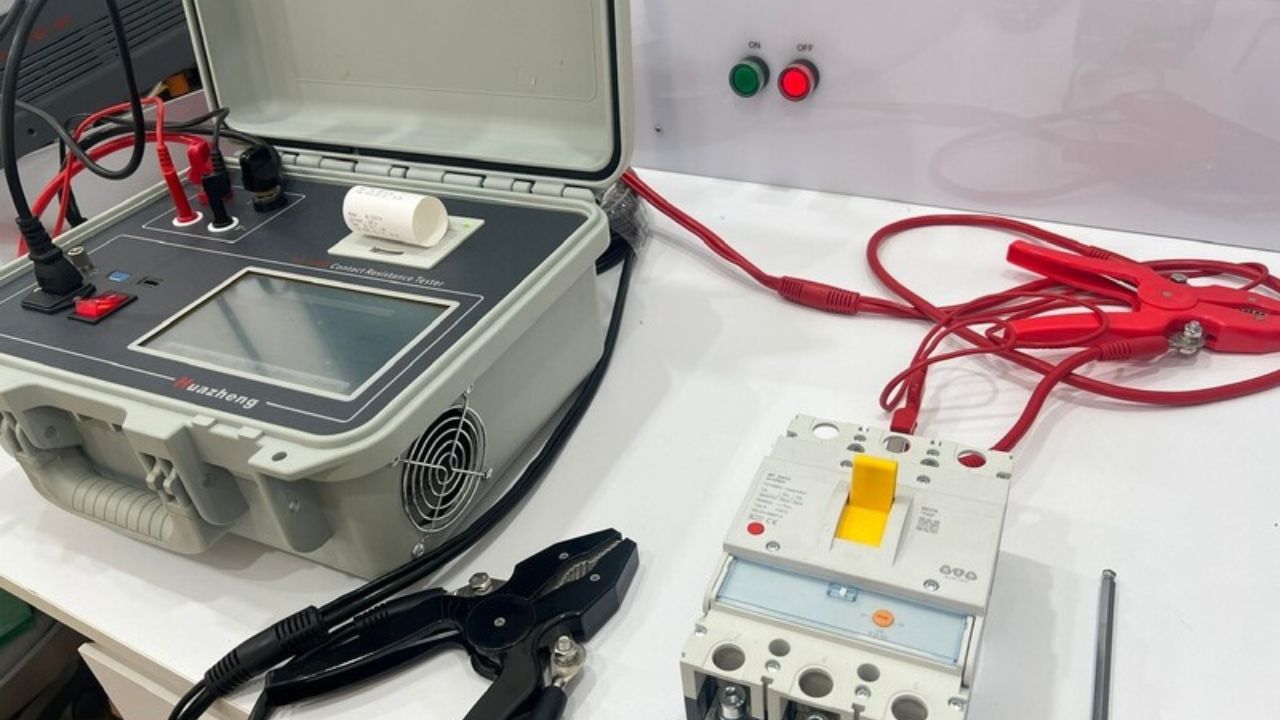
Molded Case Circuit Breakers (MCCBs) are quite instrumental in providing the safety and reliability of electrical systems. These electrical appliances are meant to safeguard circuits against overcurrents, short circuits, and other electrical faults. Nevertheless, their performance is largely subject to rigorous testing to make them meet international benchmarks. The process of testing Molded Case Circuit Breakers is a careful procedure that ensures the safety and performance in various electrical conditions.
Learning about MCCB Standards
There is a guideline on the design and testing of MCCBs through international standards. Some of the most well-known standards include IEC 60947- 2, UL 489, and GB/T 14048.2. These standards are used to provide performance, durability, safety, and electrical requirements. The MCCBs designed to meet these standards are supposed to resist overcurrents, short circuits, and any other undesirable conditions without undermining performance. Compliance makes MCCBs fit in industrial, commercial, and residential installations across the globe.
Endurance Testing with Electricity
Electrical endurance testing is one of the major steps of MCCB testing. This is done to simulate the operating conditions of real life to ensure that the device can work under the rated lifespan. Testing Electricity tests are also electrical endurance tests that require operating the MCCB repeatedly with the designed current loads and voltages. This is to determine whether there is degradation in the internal mechanisms, contacts, or trip units. A manufacturer can also test MCCBs by exposing them to thousands of simulated cycles to make sure that the device remains consistent and safe throughout the duration.
Thermal and Short-circuit Testing
The thermal testing is also essential to gauge the capability of the MCCB to withstand extended overcurrent. In this test, the breaker is subjected to higher currents than the operating current rating over a very long period to estimate whether or not the breaker trips at the correct point. Precise thermal performance avoids overheating, which may destroy the electrical system or cause fire.
Short stress testing is also essential. High fault currents are supposed to be broken without damaging MCCBs. In this testing, the breaker is placed under very high currents to test the correct operation of the contacts and internal arc-extinguishing devices. The test outcomes confirm the ability of the MCCB to interrupt fault currents without posing a danger to equipment or human beings.
Mechanical Durability and Operation Checking
Besides electrical tests, MCCBs are subjected to mechanical tests to determine their durability and reliability of operation. The mechanical endurance tests are designed to test the efficiency of the mechanism on which the breaker works, undergoing a smooth change in operation and proper tripping during thousands of cycles. These are tests done on parts like levers, toggles, and internal springs, whereby it is ascertained that they do not wear out too soon. Mechanical testing is also useful in detecting possible problems in assembly or material quality, which may undermine long-term reliability.
Climatic and Environmental Testing
The application of MCCBs is most commonly used in applications where there are extreme temperatures, humidity, or dust. Environmental testing subjects the devices to such conditions to test them under stress. Thermal shock, vibration, and humidity tests represent the operating conditions of the real world, thus ensuring that MCCBs are always consistent in their performance, irrespective of the circumstance. The importance of environmental compliance is specifically defined in the cases of the devices that have to be used in industrial or outdoor set-ups, where environmental conditions may also vary significantly.
Quality Assurance and Certification
Once all the electrical, mechanical, and environmental tests are done, MCCBs are then subjected to a comprehensive quality assurance test. Manufacturers document test results and performance information in the process of manufacturing and ensure that each device meets the necessary international standards. The standards by which the MCCB is certified, such as CE, CB, UL, and CCC, have guaranteed that it meets all the required tests and is worthy of being marketed in the international markets. Certification not only provides compliance, but it also increases the reputation of the manufacturer and the consistency of the product during use in severe conditions.
Conclusion
The process of testing MCCBs to comply with international standards involves integrating electrical, mechanical, and environmental tests. All the testing phases are critical in order to make sure the breaker works in a reliable, safe, and efficient manner. These standards guarantee the safety of both the electrical systems and individuals using them, which underlines the importance of MCCBs in the electrical installation of contemporary times. Manufacturers ensure the performance, durability, and safety of their products by carrying out rigorous tests and certifications to ensure that the products satisfy the expectations of global standards.